 Texture check
 Text to 3D / Image to 3D
AI 3D Model Generator
Create 3D models from prompts or reference images with AI generator workflows. Compare tools such as Meshy, Tripo, Rodin, Hunyuan3D, and Vismint, then review exported GLB, OBJ, or STL files before production use.
Texture check 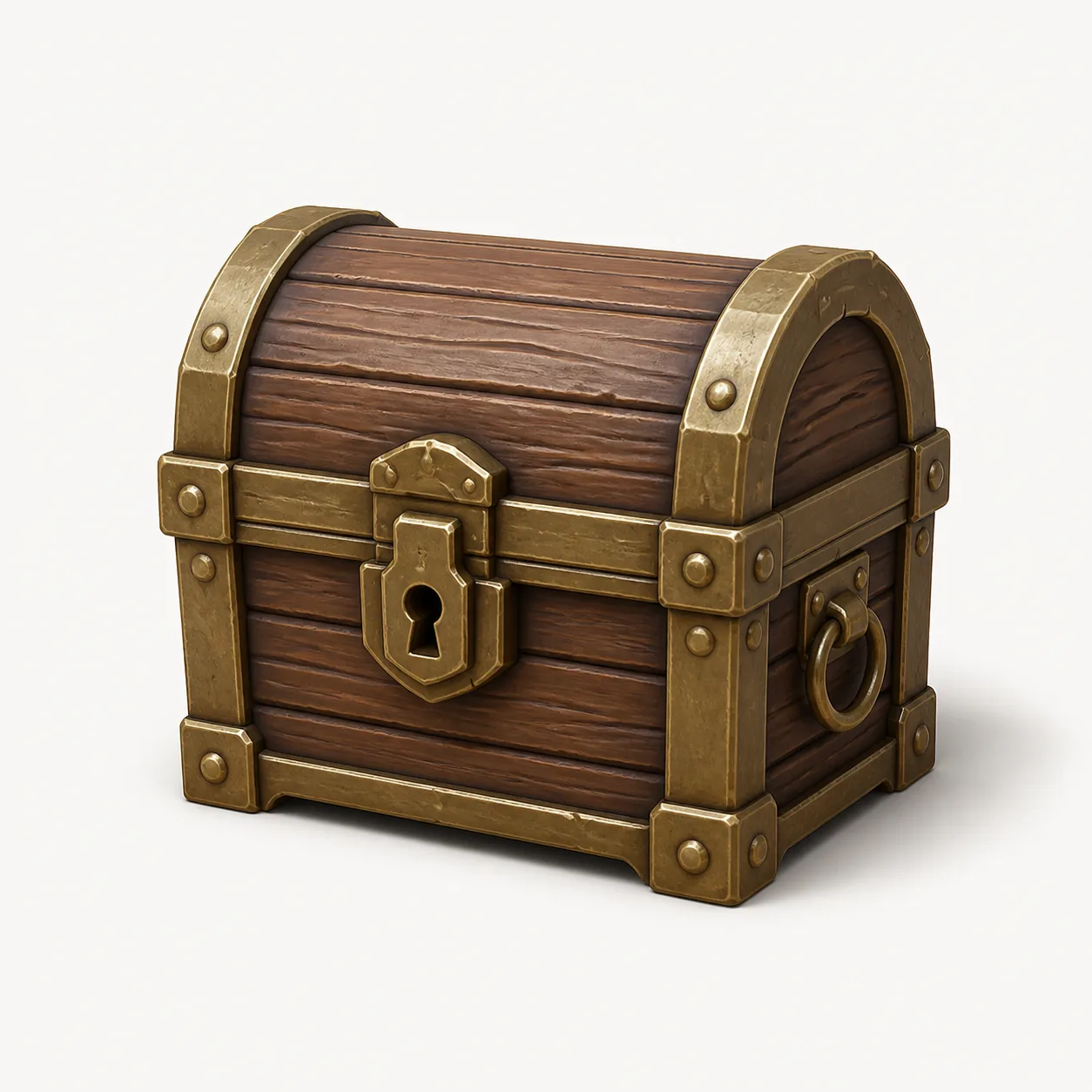 Mesh cleanup
  GLB export
 AI generation
Generate models from text or images
Use Vismint, Meshy, Tripo, Rodin, Hunyuan3D, or another generator to create a first-pass 3D model from a prompt or reference image.
Start generatingExport validation
Check GLB, OBJ, and STL files before use
AI previews can look clean while the actual export is too dense, oversized, poorly scaled, or not printable. Open the file locally before you ship it.
Open checkerExample model outputs
Check the exported asset, not only the preview image
AI generators can produce attractive results that still need cleanup. Open the exported model file to inspect geometry, materials, texture payload, scale, and printing risks.
Game prop
OBJ or GLB cleanup
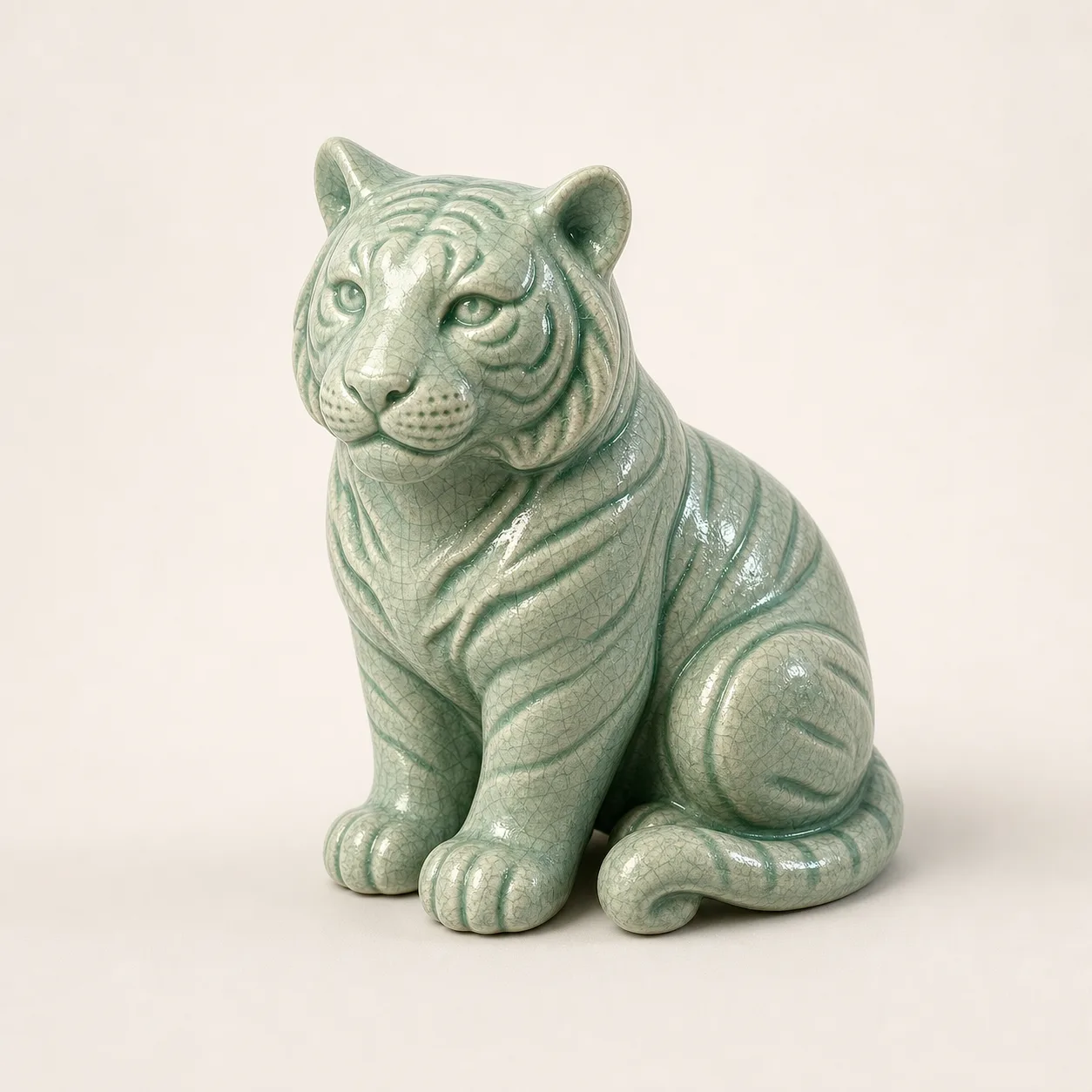
Ceramic figure
Texture and material check
Hard-surface asset
Triangle budget review
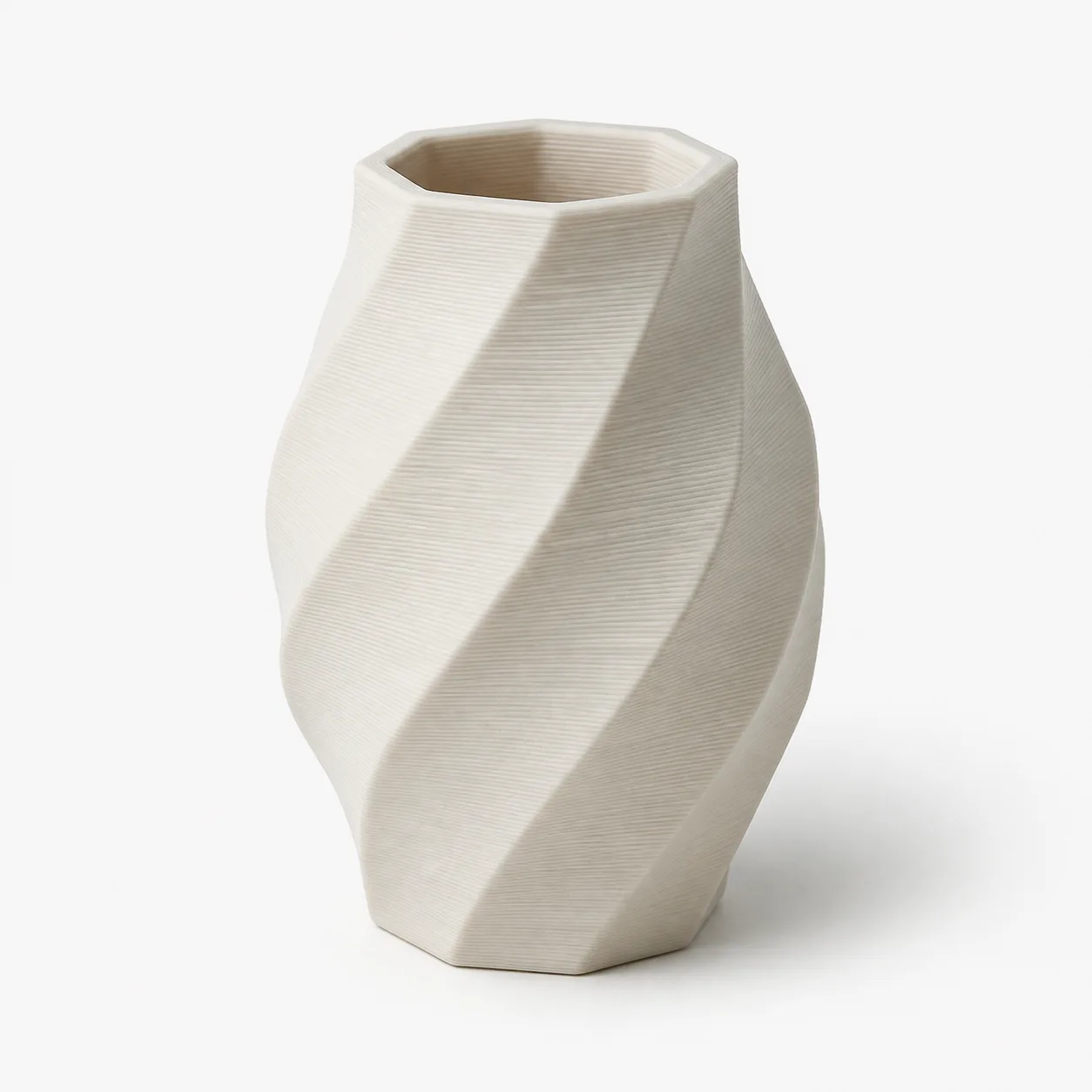
Printable object
STL scale and walls
Inspection report
What the browser checker reports
Use the local report to decide whether a generated file is ready for a viewer, engine, marketplace, or slicer.
Triangle and vertex budget
Find dense meshes, oversized exports, and floating shells that make browser or game runtime performance worse.
Materials, textures, and draw calls
Spot fragmented material slots and oversized texture maps before they become slow WebGL or mobile assets.
STL watertightness and scale
Check boundary edges, non-manifold risk, and physical dimensions before opening a slicer.
Generator workflows
Choose a focused AI 3D generator workflow
Use these pages when you are comparing generators, turning images into 3D assets, or preparing exported files for web, game, AR, or print use.
Best AI 3D model generators
Best AI 3D model generators
Compare AI 3D model generators by the files they produce, not only by preview images. Use this guide to choose a generator workflow, export GLB, OBJ, or STL, and check whether the model is ready for web, game, AR, or print use.
Open guideHunyuan3D workflow
Hunyuan 3D workflow for generated GLB and OBJ models
Use Hunyuan 3D, Hunyuan3D-2, Hunyuan3D-3, or a ComfyUI Hunyuan3D pipeline to generate a model, then inspect the exported GLB or OBJ before it reaches your viewer, engine, or marketplace.
Open guideMeshy alternative
Meshy alternative workflow for cleaner AI 3D exports
If Meshy output is not the final stop in your pipeline, use this workflow to generate elsewhere, compare exports, and validate the resulting model before runtime or print use.
Open guideTripo alternative
Tripo alternative workflow with local model inspection
Fast generation is useful only if the exported model survives the next step. Use this page to validate files from Tripo or any alternative before importing them into a game, product viewer, or slicer.
Open guideImage to 3D
Image to 3D generator workflow for exported model files
Image-to-3D tools can create impressive first drafts from JPG or PNG references. This page helps you inspect the exported model and decide whether it is ready for web, game, AR, or print use.
Open guideText to 3D
Text to 3D generator workflow for prompt-created assets
Text-to-3D models are useful for fast ideation, but prompt output often needs cleanup. Inspect the exported file here before using it in a real-time scene or 3D printing workflow.
Open guideJPG to STL
JPG to STL workflow for AI-generated print files
A JPG-to-STL workflow can create a printable draft quickly, but image-generated meshes often need repair. Use this checker before sending the STL to Cura, PrusaSlicer, Bambu Studio, or another slicer.
Open guideTool directory
Compare 3D AI generators
Scan active AI 3D model generators by input method, export format, API access, and free plan support.
Last verified: 2026-05-31.
Meshy
API Free Plan
An AI 3D model generator for text-to-3D and image-to-3D game assets, product models, and creator workflows.
Tripo
API Free Plan
A high-speed AI 3D model generator with broad format export support.
Rodin
API Free Plan
A highly detailed AI 3D model generator supporting multiple export formats.
3D AI Studio
API Free Plan
A versatile AI 3D model generator platform with API access and file conversion tools.
Hitem3D
API Free Plan
A dual-input AI 3D model generator with common 3D export formats.
Hunyuan 3D
API Free Plan
Tencent's enterprise-grade AI 3D model generator for commercial assets, e-commerce, and 3D printing.
Generator output checklist
How to judge whether an AI 3D model is production-ready
Use the same quick audit for files exported from Meshy, Tripo, Hunyuan3D, Rodin, 3D AI Studio, or a custom generation pipeline.
Check Why it matters Best next step
Triangle count High-poly AI meshes can freeze mobile WebGL and raise engine import times. Decimate, remesh, or export a lower-poly variant.
Material slots Many material slots increase draw calls and make batching harder. Bake materials into a UV atlas where possible.
Texture size 4K and 8K textures can be wasteful for thumbnails, product cards, and mobile scenes. Resize to 1K or 2K, then use WebP, KTX2, or engine compression.
Watertightness Open STL boundaries create slicer failures and broken prints. Repair holes and non-manifold edges before printing.
AI 3D Model Generator FAQ
What is an AI 3D model generator?
An AI 3D model generator creates a 3D asset from a text prompt, reference image, sketch, or other input. Common outputs include GLB, OBJ, FBX, STL, and related texture files.
Can I generate 3D models from text or images?
Yes. Use the Generate 3D links to start a text-to-3D or image-to-3D workflow, then use the related guides to compare export formats and cleanup steps.
What files can I check after generation?
The local checker accepts GLB, GLTF, OBJ, and STL files. Dedicated pages are also available for GLB viewing, OBJ viewing, and STL print checks.
What should I check after using Meshy, Tripo, Hunyuan3D, or another generator?
Check triangle count, material count, texture dimensions, animation clips, file size, bounding box scale, and watertightness if you plan to export STL for 3D printing.
Are my uploaded 3D files private?
Yes. Files are parsed in your browser with local JavaScript and WebGL. The site does not upload your model files to a server for inspection.